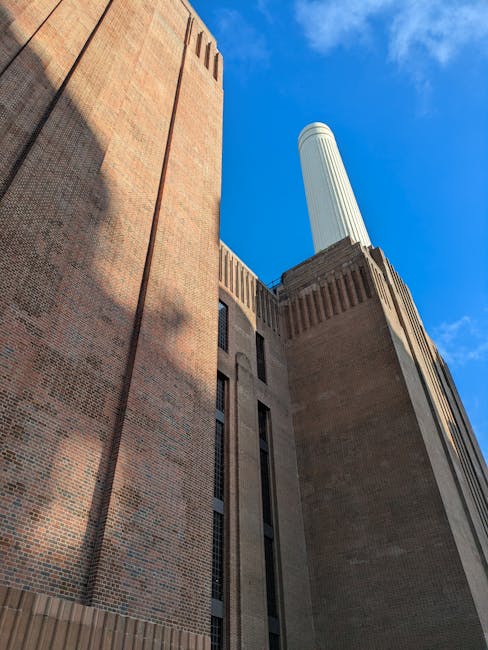
Deep carpet cleaning Battersea Power Station estate SW11

If your carpets in Battersea Power Station estate SW11 are looking tired, holding onto odours, or just not bouncing back after regular vacuuming, you are probably at the point where a proper deep clean starts making sense. Deep carpet cleaning Battersea Power Station estate SW11 is not just about making fibres look brighter for a day or two. It is about lifting embedded dirt, tackling traffic lanes, reducing lingering smells, and giving your flooring a genuinely fresher start. In a busy London home, that difference is usually easy to notice straight away.
Whether you are dealing with a family flat, a rental move, a pet accident, or a carpet that has taken a beating through winter shoes and daily life, the right method matters. Below, you will find a practical guide to what deep carpet cleaning involves, when it is worth doing, how the process works, and what to expect if you want results that last rather than a quick surface tidy. Let's face it, nobody wants a carpet that looks clean and still feels grim underfoot.
Why Deep carpet cleaning Battersea Power Station estate SW11 Matters
Carpets work hard. In an estate like Battersea Power Station, where homes, hallways, and nearby footfall can all add to daily wear, carpet fibres can collect much more than you see on the surface. Dust settles deep into the pile, grease from shoes and hands transfers into fibres, and tiny particles build up over time. That is why a carpet can look "fine" from a few steps away but still feel flat, dull, or slightly stale when you get closer.
Deep cleaning matters because standard vacuuming only reaches part of the story. A vacuum is essential, of course, but it mostly handles loose dirt and debris. Deep carpet cleaning targets the material trapped lower down in the fibres and backing. That can be especially useful in living rooms, bedrooms, hallways, and any room where people gather often or where pets spend a lot of time.
There is also a practical side many people overlook. Clean carpets can help a home feel more cared for overall, which matters before viewings, after tenancy changes, after building works, or simply when you want the place to feel pleasant again. If you have already taken a wider approach to property upkeep through deep cleaning or house cleaning, the carpet is usually one of the final pieces that changes the whole feel of the home.
Expert summary: deep carpet cleaning is most valuable when dirt is no longer sitting on top of the pile but hiding inside it. That is where the odours, flattening, and old marks tend to live.
And yes, if you have ever vacuumed carefully, then still watched a patch go dark once it was damp from a spill, you already know what this section is talking about. Annoying, but common.
How Deep carpet cleaning Battersea Power Station estate SW11 Works
Deep carpet cleaning is a process, not a single action. The exact method depends on carpet fibre, stain type, drying time available, and how soiled the carpet is. In professional settings, the work usually begins with inspection. That means checking the pile type, identifying visible marks, and looking for areas that need pre-treatment. Wool, synthetic blends, and delicate textures all behave differently. A good cleaner notices that before doing anything else.
In most cases, the process follows a pattern:
- Inspection and fibre check - to work out what can safely be cleaned and what should be handled more carefully.
- Dry soil removal - vacuuming and agitation to remove loose grit before adding moisture.
- Pre-treatment - applying a suitable solution to traffic areas, stains, or odour-heavy spots.
- Agitation - helping the cleaner reach deeper into the pile where dirt has settled.
- Hot water extraction or steam-based cleaning - rinsing and lifting embedded contamination from the fibres.
- Spot treatment - handling remaining marks individually, if needed.
- Drying support - improving airflow and reducing the risk of damp smells or re-soiling.
People often use "steam cleaning" as a catch-all phrase, but the term can be a bit loose. In practice, many carpet cleaners use hot water extraction rather than literal steam. It is still a wet cleaning method, but the mechanics are more controlled. If you want that route, it is worth looking at steam carpet cleaning as a related service and understanding how it compares with other approaches.
For lightly soiled carpets, a less intensive method may be enough. For heavy traffic, pet accidents, or tenancy handovers, deeper extraction and targeted stain removal work are often better. It is not always about "stronger". Sometimes it is about being smarter with the fibre.
Key Benefits and Practical Advantages
The biggest benefit is obvious: carpets look and feel cleaner. But the real value goes beyond appearance. In a home environment, deep cleaning can improve comfort underfoot, reduce stale smells, and help rooms feel less dusty. That matters if you have children crawling around, pets settling on the carpet, or guests coming and going regularly.
Here are the practical advantages people usually notice:
- Better appearance - fibres look brighter, especially in traffic lanes and around furniture.
- Freshened odour - trapped smells from pets, spills, or everyday life are reduced.
- Longer carpet life - removing grit helps reduce fibre wear and flattening.
- Improved hygiene - dirt, allergens, and residue are reduced, though no cleaning method can promise absolute removal of everything.
- Better results before move-outs or move-ins - useful when you need the property to present well.
- Less effort afterwards - once the deep soil is gone, ongoing vacuuming becomes more effective.
If your carpet is part of a wider soft furnishing refresh, it can make sense to combine the work with rug cleaning, sofa cleaning, or upholstery cleaning. That combination often makes a room feel genuinely reset rather than just partially improved.
One small but important point: cleaner carpets can also make a room smell better without heavy fragrances. That is usually the goal. Not a perfume cloud. Just clean.
Who This Is For and When It Makes Sense
Deep carpet cleaning is not only for "dirty" carpets. It makes sense for anyone whose flooring is carrying more than everyday dust. In Battersea Power Station estate SW11, that could include busy households, renters preparing for inspection, landlords resetting a flat, or homeowners who simply want the place to feel properly looked after.
It is especially worth considering if:
- there are visible traffic lanes or flattened patches;
- spills have left dark marks or lingering smells;
- pets have used the carpet repeatedly in the same area;
- the carpet has not been professionally cleaned for a long time;
- you are moving in or out and want a fresh start;
- you have had renovation dust or builders' debris tracked through the property;
- allergy awareness or indoor air freshness is a concern;
- you simply do not want to keep living with a tired-looking floor.
For tenants, deep carpet cleaning often fits naturally alongside end of tenancy cleaning or move-out cleaning. For new residents, it can be a smart add-on to move-in cleaning so you are not starting life in a place that still feels like someone else's.
Truth be told, some carpets need a deep clean just because life has happened to them. That is enough reason.
Step-by-Step Guidance
If you want strong results, a little structure helps. Here is the simple version of how to approach deep carpet cleaning without making things harder than they need to be.
1. Clear the space properly
Move lightweight furniture where possible and remove loose items from the room. You do not always need to empty the entire space, but giving the cleaner access to the whole carpet makes a noticeable difference. If a room is cluttered, the cleaner ends up working around problems instead of solving them.
2. Identify stains and problem areas first
Point out old marks, pet spots, spill zones, and anything you have already tried to treat. That small bit of information helps avoid the wrong chemical approach. A tea stain is not the same as a greasy foot mark, and an old pet odour patch needs different handling again.
3. Choose the right cleaning method
Not every carpet should be treated the same way. Some synthetic carpets respond well to wet extraction. Delicate fibres may need a gentler approach. In homes with mixed flooring, this is where services like hard floor cleaning can fit into the same visit, because the whole space often benefits from a coordinated plan.
4. Use pre-treatment wisely
Pre-treatment is there to loosen grime and help the main cleaning stage work better. It is not magic, and it should not be overused. Too much product can leave residue behind, which is exactly what you do not want.
5. Clean in sections
Working room by room is sensible, especially in larger flats. It keeps drying more manageable and allows you to focus on traffic lanes without rushing. A calm, methodical clean usually beats a frantic one. Every time.
6. Allow proper drying time
Drying matters as much as the wash itself. Open windows where practical, use airflow, and avoid putting furniture back too early. If the carpet stays damp for too long, that is when odours and re-soiling risks creep in.
7. Finish with a final check
Once the carpet is dry enough to inspect, check whether spots need a second pass or whether furniture should be repositioned. Good carpet care is a bit like cooking: the final look changes everything. Even if that sounds overly domestic, it is true.
Expert Tips for Better Results
There are a few small decisions that improve the outcome more than people expect. These are the things seasoned cleaners look out for, because they prevent avoidable disappointment later.
- Vacuum before the clean so loose grit does not turn into slurry.
- Test spot treatments first on an inconspicuous area if fibre sensitivity is a concern.
- Avoid soaking the carpet; more water does not equal better cleaning.
- Do not scrub aggressively because that can distort the pile or push stains deeper.
- Act quickly on spills but blot, do not rub. Rubbing often spreads the mark.
- Use the right aftercare so the carpet stays cleaner for longer.
If pets are part of the picture, speak clearly about urine spots and lingering smells. A standard surface clean may improve appearance without fully addressing odour sources. For that reason, a more targeted pet stain odour removal approach can be far more effective than trying to mask the problem. You know when a smell is still there, even if nobody wants to mention it. That, basically.
Another practical tip: if you are scheduling the work around guests, removals, or a tenancy deadline, build in a drying buffer. A clean carpet that is still wet at the wrong moment is awkward. A clean carpet that is dry and fresh is excellent.
Common Mistakes to Avoid
Most carpet cleaning problems come from rushing, guessing, or using too much product. None of that is dramatic, but it can leave you with sticky fibres, patchy results, or a carpet that gets dirty again very quickly.
- Using the wrong cleaner for the fibre - wool and synthetics do not always tolerate the same treatment.
- Over-wetting the carpet - this can lead to slow drying and a musty smell.
- Ignoring old spots until the end - some stains need pre-treatment before the full clean begins.
- Failing to vacuum first - loose grit can make the cleaning process less effective.
- Putting furniture back too soon - damp marks and pressure dents can follow.
- Expecting every stain to vanish - realistic expectations matter. Some marks are permanent or only partially reducible.
It is also common to see people treat carpet cleaning as a one-off panic job. Better to think of it as part of regular upkeep, especially in high-use rooms. A cleaner carpet stays cleaner when it is looked after, which sounds obvious but is easy to forget on a busy week.
Tools, Resources and Recommendations
You do not need a garage full of equipment to care for carpets properly, but a few tools make a real difference. A decent vacuum with strong suction is the first line of defence. A soft brush can help lift pile before cleaning. Microfibre cloths are useful for blotting spills. A fan or open-window airflow can help with drying.
For a more complete refresh, it can be sensible to look at adjacent services that affect the same room. Curtain cleaning can reduce airborne dust and smell transfer. Mattress cleaning is useful in bedrooms where carpet dust and sleeping surfaces both matter. And if a room needs a wider reset after heavy use, one-off cleaning can be a practical way to combine tasks.
When deciding whether to go professional, ask yourself a simple question: is this a tidy-up job, or is the carpet genuinely embedded with soil and smell? If it is the second one, a more thorough method will usually save time and frustration.
Law, Compliance, Standards, or Best Practice
Carpet cleaning in the UK is not usually about complex regulation for the homeowner, but there are still sensible standards worth following. Safety, product use, and clear communication matter. Cleaning chemicals should be handled according to the product instructions, and anyone working in a property should avoid creating slip hazards, electrical risks, or unnecessary dampness around furniture and sockets.
For cleaners and customers alike, good practice includes:
- using appropriate cleaning agents for the material being treated;
- taking care around electrical items and cables;
- protecting floors and access routes from excessive moisture;
- being transparent about what a clean can and cannot achieve;
- storing or using products responsibly;
- checking for special conditions such as delicate fibres, prior damage, or heavy staining.
It is also sensible to look for businesses that can speak clearly about public liability cover, safety practices, and complaint handling. Those details are not flashy, but they matter. You can review the company's own health and safety policy, insurance and safety information, and terms and conditions to understand how jobs are managed. If sustainability is important to you, there is also a useful recycling and sustainability page worth reading in plain English.
That said, not every property situation needs a formal checklist of doom. Often, best practice is just careful work, honest expectations, and a cleaner who does not rush the drying stage. Simple, but not always easy.
Options, Methods, or Comparison Table
There is more than one way to clean a carpet, and the best choice depends on fibre type, soil level, and drying priorities. Here is a practical comparison.
| Method | Best for | Strengths | Limitations |
|---|---|---|---|
| Vacuuming only | Routine upkeep | Fast, essential, low moisture | Does not remove embedded soil or many stains |
| Spot treatment | Small spills and isolated marks | Targeted and quick | Can leave surrounding dirt untouched |
| Hot water extraction | Deep soil, busy homes, traffic lanes | Strong overall clean, good for embedded grime | Needs drying time and careful fibre matching |
| Steam carpet cleaning | Heavier refresh and odour reduction | Useful for deeper fibre flushing | Often used as a general term; method details matter |
| Combined room refresh | Whole-room presentation | Can include carpet, sofas, curtains, and more | More planning needed, and drying must be managed |
In practice, the best option is usually the one that matches your current problem rather than your ideal outcome. A light refresh and a stain-heavy tenancy clean are simply not the same job.
Case Study or Real-World Example
A typical scenario in Battersea Power Station estate SW11 goes like this: a couple has been living in a two-bedroom flat for a while, and the living room carpet has developed a darker path between the sofa and the balcony doors. The kitchen is spotless, the furniture is nice, but the carpet makes the room feel a bit older than it should. There is also a faint dog smell that becomes noticeable when the heating comes on in the evening. Not ideal.
The first step is inspection. The cleaner checks the fibre, identifies the traffic lane, and notes one small drink spill and a pet area near the edge of the room. The carpet is vacuumed thoroughly, the traffic zone is pre-treated, and the pet area is handled separately rather than swept into the general clean. Extraction follows, then a careful drying setup.
The result is not "new carpet" magic, because that would be fantasy. But the room looks lighter, the pile stands up better, and the smell is reduced enough that the family can stop thinking about it every time they walk in. That is the real win. The carpet does not just look better; the room feels easier to live in.
This is also where related services can be sensible. If the room includes drapes or a sofa that have been absorbing dust too, pairing the work with sofa cleaning or curtain cleaning can make the whole space feel more finished. Sometimes the carpet is only part of the story.
Practical Checklist
Use this quick checklist before booking or starting a deep clean.
- Have you identified the fibre type if you know it?
- Are there specific stains, odours, or traffic lanes to point out?
- Have lightweight items been moved out of the way?
- Is there enough time for drying before the room needs to be used again?
- Have you considered whether soft furnishings need cleaning too?
- Do you know whether the carpet is best suited to extraction, gentler treatment, or spot care?
- Have you read the company's pricing and service terms carefully?
- Do you understand that some old stains may improve but not disappear completely?
- Are pets, children, or allergy concerns relevant to the plan?
- Is the goal a simple refresh, a tenancy-ready finish, or a more complete reset?
Little checklist, big difference. It keeps the job calm and stops those "oh, I forgot about that patch near the radiator" moments that happen to everyone.
Conclusion
Deep carpet cleaning Battersea Power Station estate SW11 is worth doing when your flooring has stopped responding to routine vacuuming and needs a proper reset. The best results come from matching the method to the carpet, treating stains with care, allowing enough drying time, and being realistic about what can be improved. Done well, the room looks sharper, smells fresher, and feels more comfortable to live in.
If you are comparing options, think about the whole space, not just the carpet. A well-cleaned room often benefits from a joined-up approach that considers soft furnishings, household traffic, and the practical timing of the clean. That is usually how you get results that last instead of a quick cosmetic fix.
Get a free quote today and see how much you can save.
If you want to learn more about the team behind the work, you can also visit the about us page or get in touch through the site's contact options when you are ready. A good clean should leave you with more breathing room, not more hassle.
Frequently Asked Questions
What is deep carpet cleaning in Battersea Power Station estate SW11?
It is a more intensive carpet cleaning process designed to remove embedded dirt, stains, and odours from deeper inside the fibres rather than just cleaning the surface.
How often should carpets be deep cleaned?
That depends on traffic, pets, children, and lifestyle. Many homes benefit from it periodically, while busy or pet-friendly homes may need it more often than low-use spaces.
Is steam carpet cleaning the same as deep carpet cleaning?
Not exactly. Steam carpet cleaning is often used as a general term, but the actual method may be hot water extraction or another controlled wet-cleaning approach. The details matter.
Can deep carpet cleaning remove old stains?
Sometimes, yes, but not always. Older stains may improve a lot, partially improve, or remain visible depending on what caused them and how long they have been there.
Will deep cleaning make carpets wet for a long time?
They do need drying time after a wet clean, but proper technique, airflow, and sensible product use help keep this manageable.
Is deep carpet cleaning useful before moving out?
Yes, it often is. It can help the property present better and is commonly paired with end-of-tenancy or move-out cleaning.
What should I do before the cleaner arrives?
Clear small items, point out stains and odours, and move lighter furniture if possible. A little preparation makes the job smoother.
Are pet smells hard to remove from carpets?
They can be. Pet odours often need targeted treatment, not just a general clean, especially if moisture has reached deeper into the pile or underlay.
Can carpet cleaning damage delicate fibres?
It can if the wrong method is used. That is why fibre checking and careful method choice are important, especially with wool or delicate blends.
Should carpet cleaning be done with the rest of the house clean?
It works best when the surrounding space is reasonably tidy. If the room needs broader attention, pairing it with domestic cleaning or one-off cleaning can make sense.
How do I know if my carpet needs deep cleaning rather than vacuuming?
If the carpet looks dull, feels flat, holds smells, or has marks that do not shift with regular cleaning, it probably needs more than vacuuming.
Is there a difference between domestic and commercial carpet cleaning?
Yes. Domestic carpet cleaning is usually tailored to homes, while commercial carpet cleaning is planned around heavier footfall, schedules, and larger spaces.
Can I combine carpet cleaning with other services?
Absolutely. Depending on the property, it may be practical to combine it with domestic cleaning, office cleaning, or even regular cleaning if you want ongoing upkeep after the deep clean.
Where can I check service details, payment, and company policies?
You can review the available information on pricing and quotes, payment and security, and the relevant policy pages before booking.
What if I want to make a complaint or ask about service standards?
It is sensible to read the company's complaints procedure and support information so you know what to expect if you ever need to raise an issue.